

Aging in Place Bathroom Design: How to Future-Proof Your Home Without Sacrificing Style
For many people, selecting and designing the bathrooms in their forever homes is very important. Mostly because our bathrooms affect our comfort, safety, and daily life more than almost any other room.
We want to know that, as we age, not only will our bathrooms still be functional, but that the designs we select will age gracefully and stay visually appealing for years to come. If these factors are important to you and your loved ones, then an aging in place bathroom design is perfect for you.
Aging in Place vs. Universal Design Bathroom
These two terms are occasionally mixed up, but don’t get them confused. Aging in place designs focus more on keeping your home comfortable and safe for you, especially as you get older.
Universal design bathrooms, on the other hand, are a lot more inclusive. They go beyond just the homeowners and incorporate designs that are accessible to even the occasional visitors. They make your home comfortable for everyone, regardless of their age and ability.
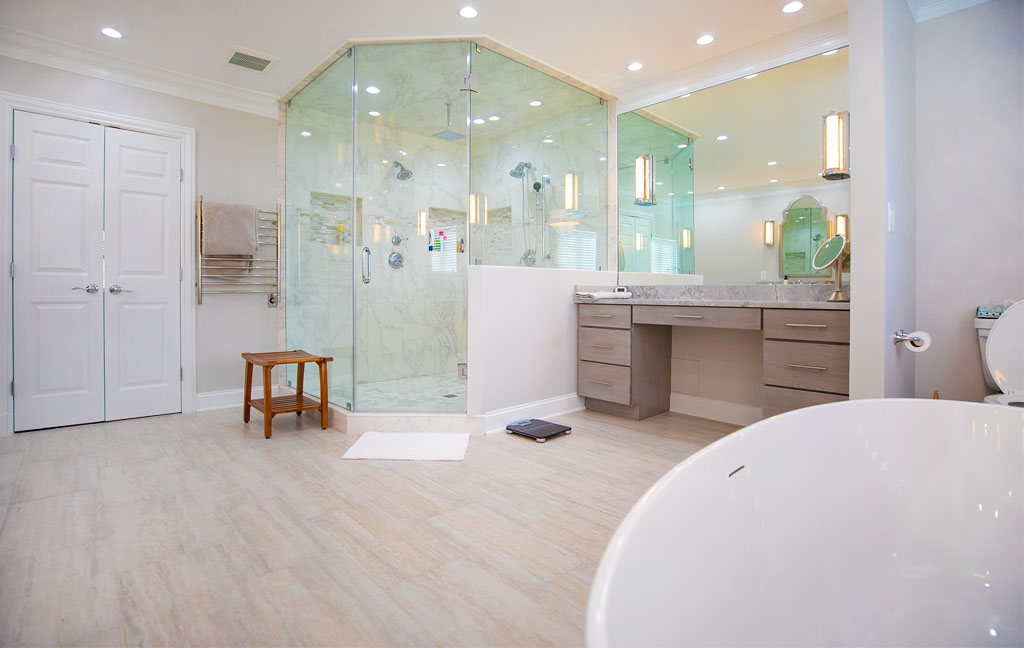
Interestingly, most aging-in-place features are actually universal design features. For example, a taller toilet makes sitting down and standing up easier across the board.
What Makes Bathrooms High-Risk as We Age
Bathrooms become more dangerous as we get older because they combine a slippery floor and a tight space with frequent movement. These factors, paired with the weaker vision and balance of older adults, increase the risk of losing stability and landing in a less-than-ideal way.
The most risky designs in a bathroom include:
- Stepping over tub walls or high shower curbs
- Sitting or getting up from the toilet without support
- Poor visibility at night, especially while half-awake
Fortunately, these risks are easy to manage with bathroom safety upgrades like non-slip floors, motion-activated lighting, and supportive fixtures for balance. When executed correctly, these can limit risk without needing to remodel the bathroom at all.
Bathroom Safety Upgrades With Lasting Style Appeal
Here are five accessible and timeless bathroom design ideas worth implementing to improve safety in your home.
1. Shower and Tub Design That Reduces Fall Risk
Traditional tubs or high-curb showers require older adults to step in and balance their weight on the slippery surface. This can be difficult, especially since age is linked with a deterioration in balance and strength.
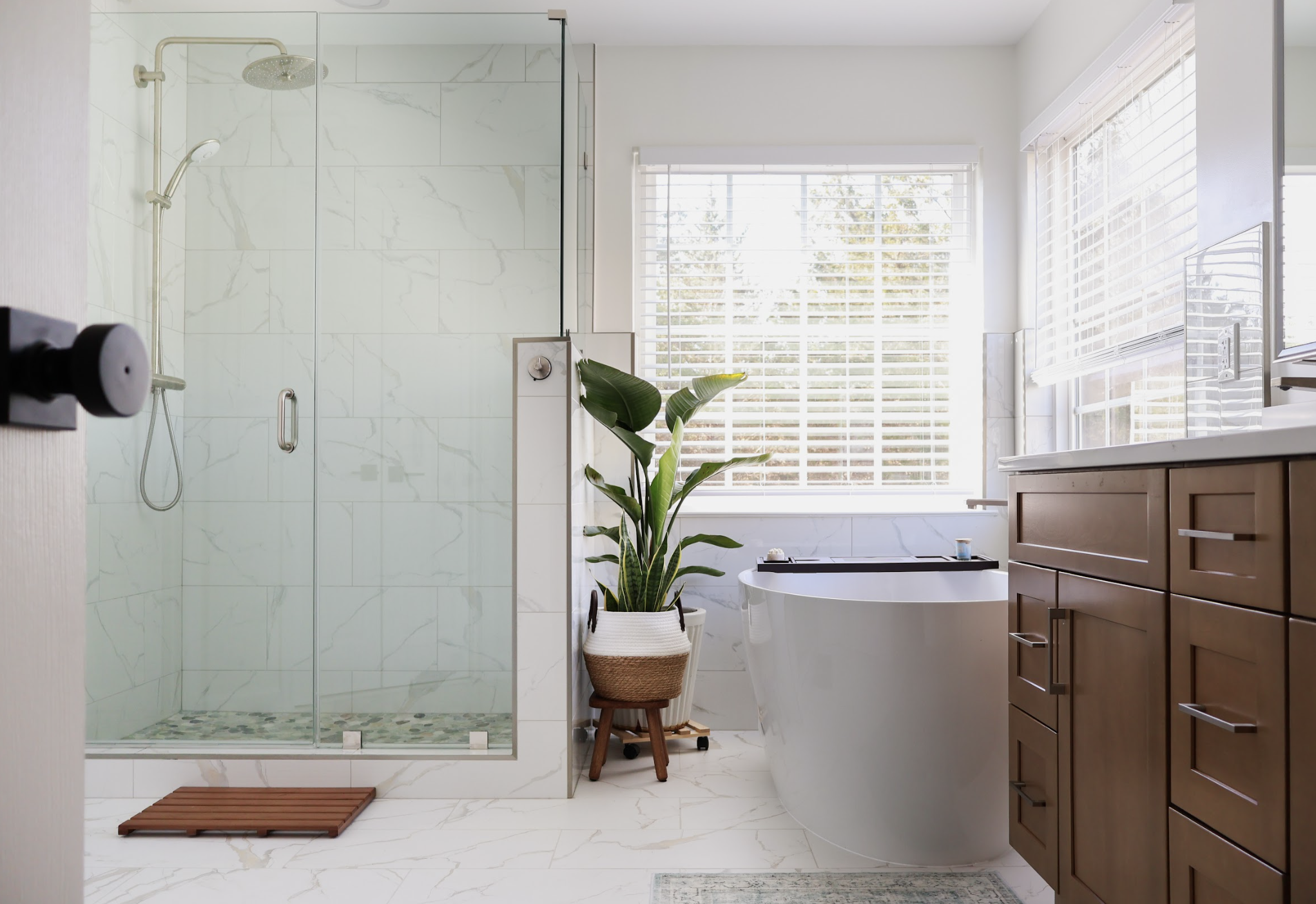
Fortunately, you can fix this issue and ensure safety by implementing two main changes: a low-threshold shower and textured flooring.
Low-threshold shower
Low-threshold showers, also known as Walk-in showers, are safer because they minimize the effort needed to get into the shower. While a curbless shower completely eliminates any need to step in, it can be difficult to prevent water from escaping the bathroom when there is no proper drainage slope. However, if there is, then a curbless shower can be the best modification for creating an aging in place bathroom design.
Textured Flooring
A curbless shower can still be problematic when the wet floor becomes slippery. To combat this, consider creating a textured floor with slip-resistant tiles that increase traction and greatly reduce falling. You can take this further by adding a built-in bench in the bathroom to prevent fatigue from standing.
2. Grab Bars for Support
Older adults will benefit from grab bars. Especially if they’re already using a walking cane. The goal is to provide support for their weight and improve their balance in the wet, enclosed bathroom space.
In order to implement the most effective senior-friendly bathroom remodel, you need to be strategic about where you place these grab bars. Areas that provide the most support include:
- Inside the shower or tub area to make movement more controlled
- Near the toilet to make sitting down and getting up much safer
You also don’t require heavy remodelling or a large budget to implement these grab bars. They can be anchored to the wall or floor and may even enhance the bathroom’s aesthetic appeal.
3. Layout, Room, and Doorway Changes for Mobility
Research shows open floor spaces reduce the risk of falls and improve mobility for older adults. The same applies to bathrooms, as a layout with clearer pathways and less abrupt sections can make movement much simpler.
For maximum effectiveness, you can include outswinging doors so that in case the person falls, the bathroom remains accessible for quick intervention. Pocket doors also work well for aging-in-place remodeling, but your wall structure has to support proper framing and future grab bar blocking.
4. Proper Lighting for Improved Visibility
Darker bathrooms, especially at night, can contribute to falls. It’s normal to bump into the occasional corner, but this gets worse as we age. This is because age can lead to a deterioration of one’s eyesight, which can make it harder to differentiate shadows from actual fixtures in low-light conditions
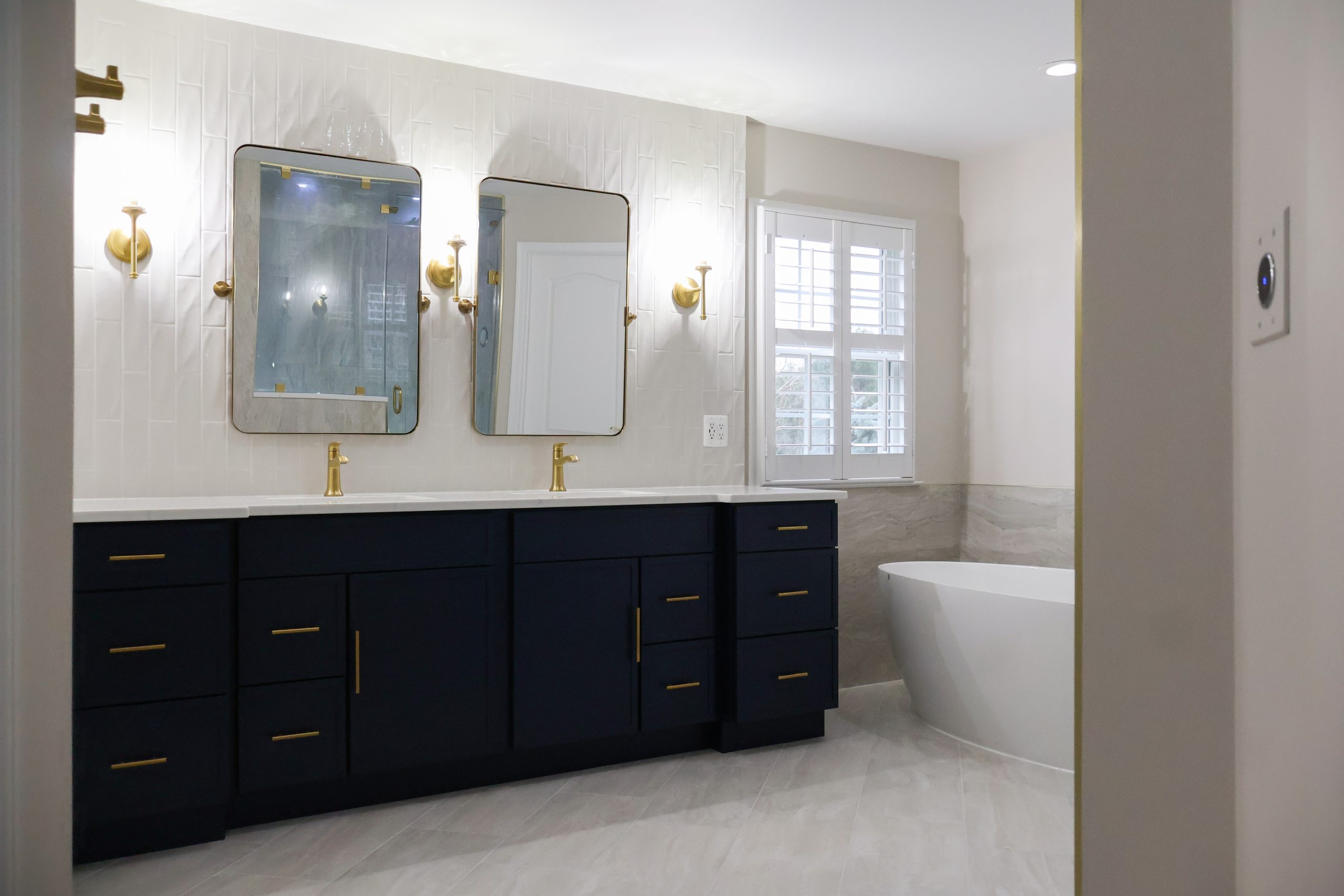
The best option would be a layered lighting approach. Start with an overhead light to provide general lighting, then pair it with task lighting around mirrors and showers to reduce shadows.
You can also use pathway lights or motion-sensing lights to illuminate the areas leading to or around the bathroom. The best part is that these adjustments can be done with no significant change in the bathroom’s overall design.
5. Comfort-Height Toilets for Easier, Safer Use
For adults with knee, hip, and lower back problems, getting on and off standard toilets can be too much strain on the knees. The alternative is comfort-height toilets that are slightly higher than traditional toilet seats.
Their height reduces the distance a person needs to lower themselves or stand up, meaning they are less likely to get stuck or fall while using the toilet. You can also pair this toilet with grab bars to make standing and sitting more efficient.
Using ADA Bathroom Features in Residential Homes (What Actually Makes Sense)
If your home isn’t a commercial assisted living center, then you might not need to worry about ADA bathroom features for homes. Doing this can lead to unnecessary costs and awkward designs that may not target the weaknesses older adults face in your home.
Your goal should be practical additions only. This often includes:
- More space around bathroom fixtures
- Comfort-height toilets
- Properly placed grab bars
- Step-free shower entry
- Better pathway and bathroom lighting
Note that you don’t have to tackle these modifications yourself. Experienced contractors understand ADA guidelines and can use them as reference points to improve safety for seniors in your home with a future-proof bathroom remodel.
If you need help, consult a professional before making your final decision!
Aging in Place Remodeling Beyond the Bathroom
While bathrooms can be a good first focus, effective aging in place remodeling applies to the entire home. This includes kitchen, flooring, and every entryway. They need to be updated to ensure safety and accessibility every day.
For expert guidance on what modifications are best for your home, schedule a consultation today with our experienced remodelling professionals at Virginia Kitchen and Baths.