

Sustainable And Eco-friendly Kitchen And Bathroom Remodeling Ideas For 2026
In 2026, the kitchen design focus extends past aesthetics. Sustainable kitchen and bathroom remodeling aims to ensure healthier indoor air quality, reduce energy consumption, and minimize waste while maintaining functionality.
A sustainable kitchen has zero negative impact on the earth. It can incorporate repurposed and sustainable materials. These kitchens also feature eco-friendly lighting and top-of-the-range energy-efficient appliances.
Ready to create a kitchen that is at one with nature and also functional? Use the following kitchen and bathroom remodeling ideas to make simple tweaks that don’t cost the planet.
Top 10 Sustainable Kitchen and Bathroom Remodeling Ideas
You can create an eco-friendly kitchen or bathroom in various ways. Before you start your remodeling project, find ways to repurpose as much of your old kitchen as possible. You can incorporate old elements into your new design or sell off what you don’t need.
A sustainable remodeling project helps you combine modern designs with environmentally friendly elements. You can contribute to a healthier planet by turning to energy-efficient appliances, recycled materials, and eco-friendly furnishings.
Here are 10 amazing sustainable kitchen and bathroom remodeling ideas for 2026.
1. Sustainable Disposal of Your Old Kitchen
You can give your old kitchen or bathroom a new lease of life through recycling. Stop your old appliances and other elements of the kitchen from going to a landfill by disposing of them through Facebook Marketplace, Gumtree, and other similar sites.
Alternatively, visit your local household goods recycling center to find out what can be recycled. In most cases, electric appliances and cabinetry are good candidates for recycling.
In some cases, you can even consider asking your contractor whether they can help you recycle your old bathroom or kitchen.
2. Create a Big Impact with Small Changes
Looking to add more space to your kitchen or bathroom? If so, you might be thinking about extending the existing space. However, this might not be the most environmentally friendly option. Extending requires burning of fossil fuels and high electricity consumption to deliver materials and build a new space.
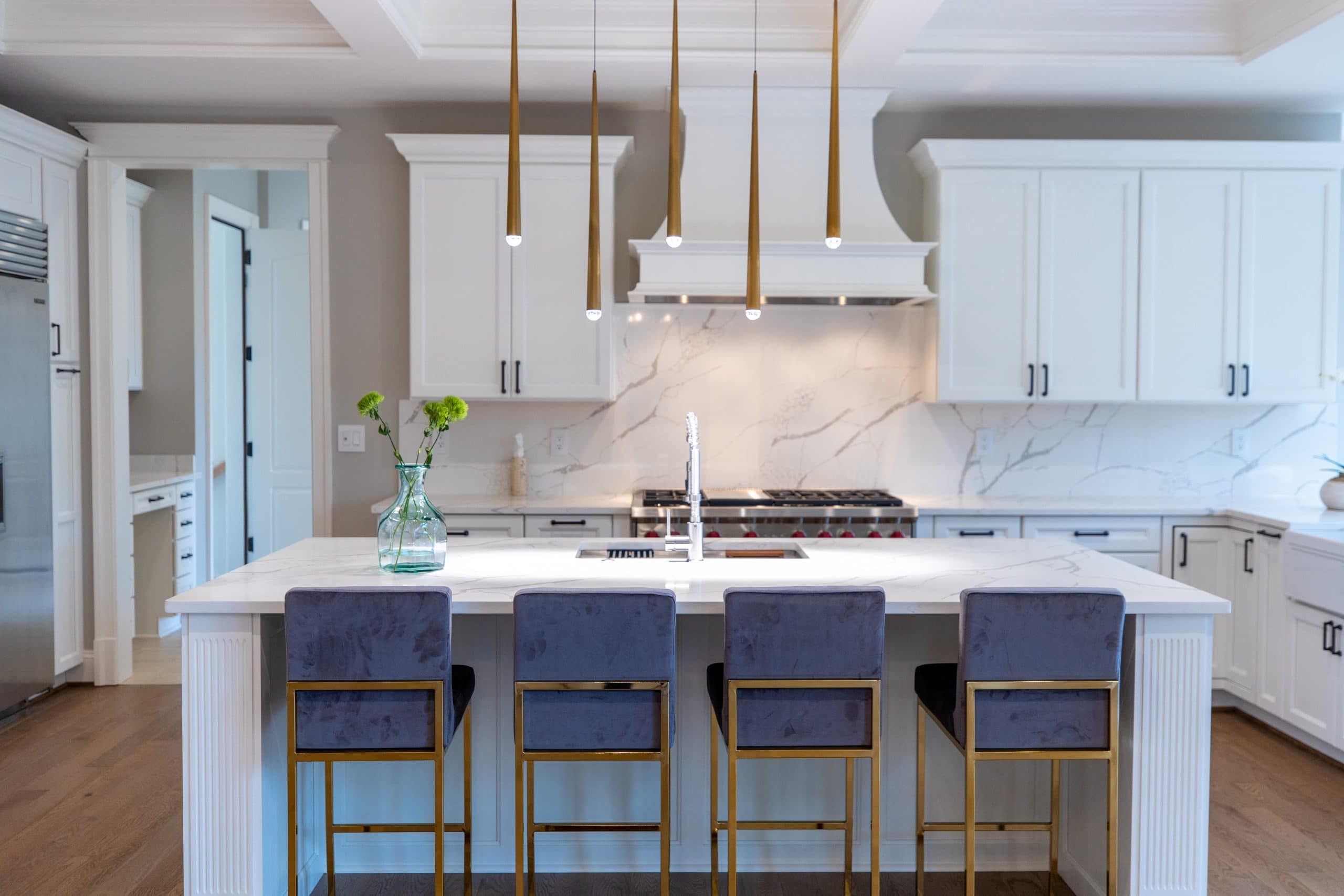
You can avoid all that by making small changes that create a big impact. For instance, you may find that knocking down a wall or repositioning the sink can create more room.
3. Timeless Cabinetry
The best kitchen cabinetry is not just right for the current remodeling project, it should also be easily adaptable to future changes.
Go with classic cabinet designs and neutral colors to boost the versatility of the resulting design. The best options should support different designs and looks. Want a space that can be easily and conveniently rejuvenated a few years down the line? Avoid laminate cabinetry and choose wood instead, which can be easily repainted for a new and refreshed look.
4. Sustainable Materials
Using sustainable materials like wood, granite, and stone will give your new kitchen a natural appeal and is also great for the planet.
Medium-density fiberboard and melamine-faced chipboard are some of the best options available to homeowners considering timber cabinetry and flooring. Eco-friendly backsplash and worksurface materials include terrazzo, mineral-based quartz, glass, and sintered stone.
For environmentally friendly window treatments, consider bamboo. In addition to carrying the same natural appeal as wooden alternatives, bamboo window blinds are more sustainable. Bamboo grows really fast, giving it great renewable properties.
5. Shop Local
Shopping local is essential when decorating your home with a sustainability focus. Every area has a unique set of suppliers and shops. This means that shopping local varies from place to place. From an environmental standpoint, shopping local reduces the distance that materials travel.
This approach also saves costs while delivering a custom kitchen or bathroom. To give your remodeling project a truly unique feel, consider using local handmade supplies and elements.
6. Efficient Lighting
Efficient illumination is an integral part of any sustainable kitchen or bathroom. There are different ways of lighting up your remodeled space. Reduce the need for artificial light during the day by maximizing natural light. Bring in more sunlight by adding glass doors, large windows and skylights.
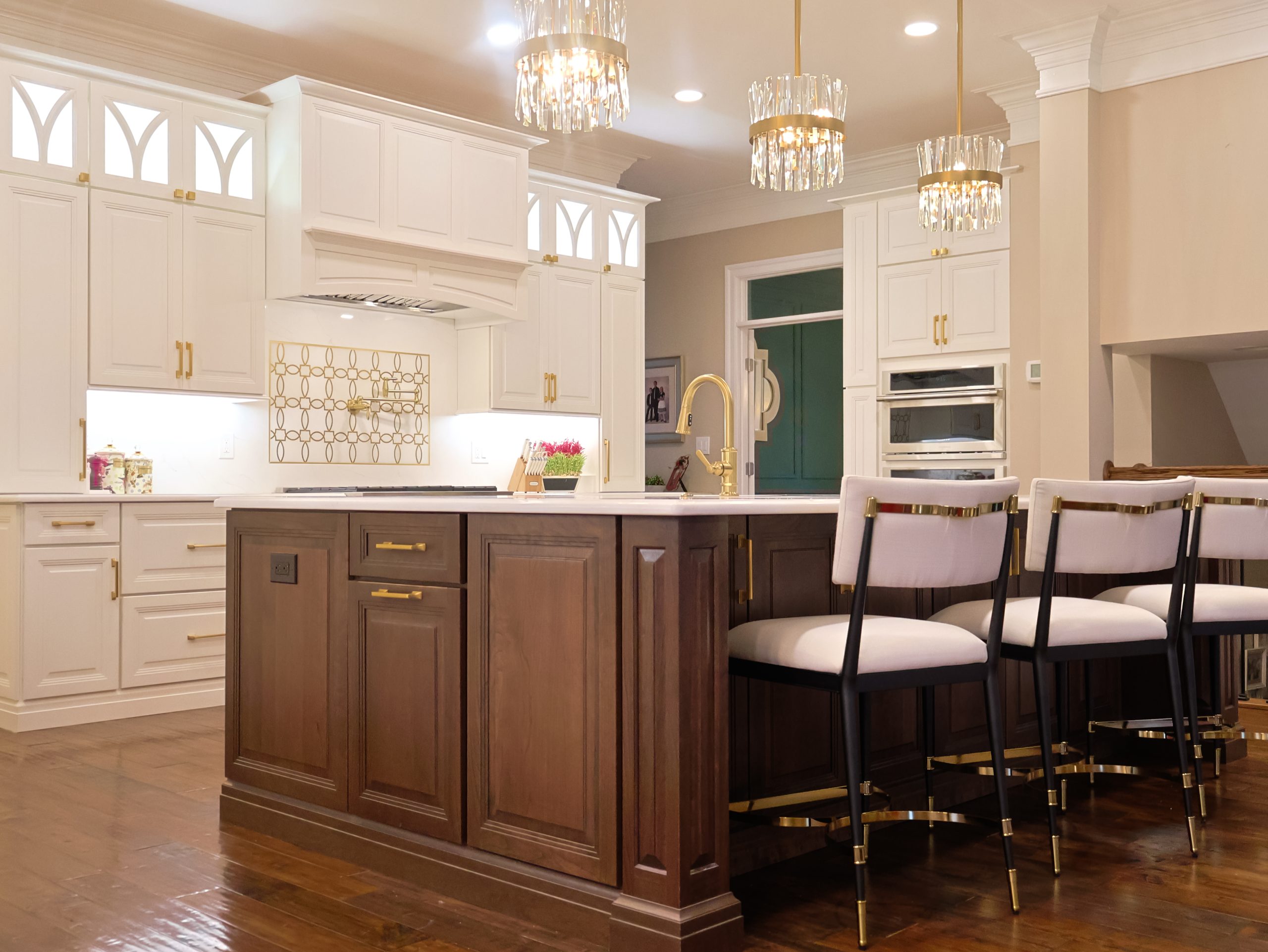
For artificial lighting, LED lights are a durable and energy-efficient option. They contribute to lower energy bills by consuming less energy than traditional alternatives.
You can also boost energy efficiency using smart lighting controls. They control the timing and intensity of your kitchen and bathroom lights. This reduces utility costs and helps you create the perfect kitchen ambiance.
When installing lighting, remember to separate task lighting from decorative lighting. This can be done by installing a separate control panel for each circuit.
7. Reclaimed Flooring/Wood/Materials
Boost your project’s sustainability rating with green floors. Use reclaimed wood and extend its usefulness. To create a unique and sustainable floor, use refinished wood sourced from old barns or buildings.
Linoleum is another great option for sustainable floors. This renewable and biodegradable material is made from wood floor, cork dust and linseed oil. Available in a selection of patterns and colors, it offers design flexibility and sustainability.
Cork flooring is another sustainable flooring option. This sustainable flooring material is comfortable for your feet and offers great thermal insulation. When shopping for this material, look for responsibly sourced and manufactured options.
8. Eco-friendly Appliances
Look for the Energy Star mark when shopping for appliances. This is a US Environmental Protection Agency rating that helps consumers minimize their energy consumption and save costs.
Water-efficient dishwashers with a high Energy Star rating can help you reduce water and electricity consumption.
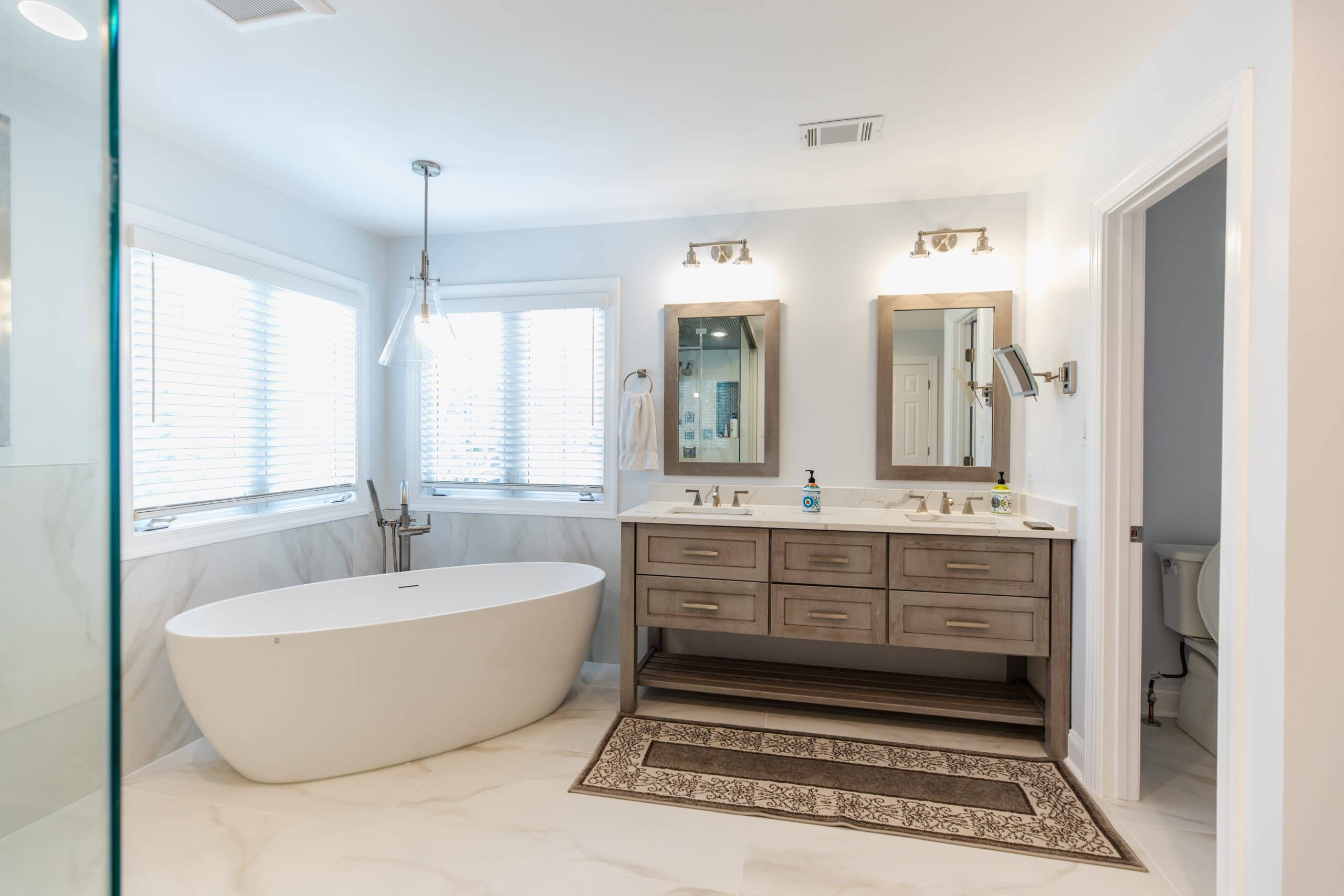
Instead of traditional electric or gas cooktops, choose an induction option. They save energy, offer precise temperature control and faster cooking times by heating cookware directly.
Alternatively, you can save space and boost functionality with a heat storage range cooker. A range cooker can effectively replace several common kitchen appliances. It can be used for cooking, as a kettle heater, and a slow cooker, among others.
9. Eco-friendly Paint and Finishes
Choosing the right paint or finish for your new bathroom or kitchen takes a lot more than picking your preferred color.
For wood surfaces, choose a natural finish. Options like vegetable-based oils and beeswax produce less harmful fumes and are non-toxic, unlike some traditional lacquers and varnishes.
For a healthy and sustainable kitchen floor, consider cork flooring with its natural anti-microbial properties.
To create a healthier space and reduce indoor air pollution, get Low-VOC paint. This paint contains minimal Volatile Organic Compounds – harmful compounds found in some paints.
10. Water Efficient Fixtures
Minimize water wastage with aerators and low-flow faucets. You can also reduce water usage with optional grey-water compatible systems.
Boiling water taps can also save water. Unlike a kettle, these taps only deliver the exact amount of water you require. More importantly, boiling water taps deliver hot water when it’s needed. You don’t have to keep reheating water in a kettle simply because it has cooled down.
Final Take
Kitchens and bathrooms are high-traffic areas in many homes. Any renovations must boost function and improve aesthetics. A sustainable kitchen and bathroom remodeling project can boost the appeal and value of your home.
Ready to put the above ideas into practice? Contact our team to find out more about each option and how you can integrate them into your remodeling job.