

Remodeling is considered a smart investment. Homeowners will update a kitchen or finish a basement, hoping for a higher return on investment when the home is so
However, the situation shifted in 2026. The real estate market experienced drastic changes. Hence, remodeling does not automatically mean increased home value.
Some remodels provide ROI, while others don’t make a difference. And some may work against you.
The Truth About Remodeling and ROI
Many homeowners like to keep up to date with renovation trends, online articles, and shows. Most of these advertise remodeling as a safe way to increase your home’s value.
The idea sounds quite promising. You get to update the look and functionality of your home. And this reflects the sale price.
While this might be true to some degree, the market conditions shifted the focus. Potential buyers won’t pay more for your effort. Instead, they value what aligns with their own expectations.
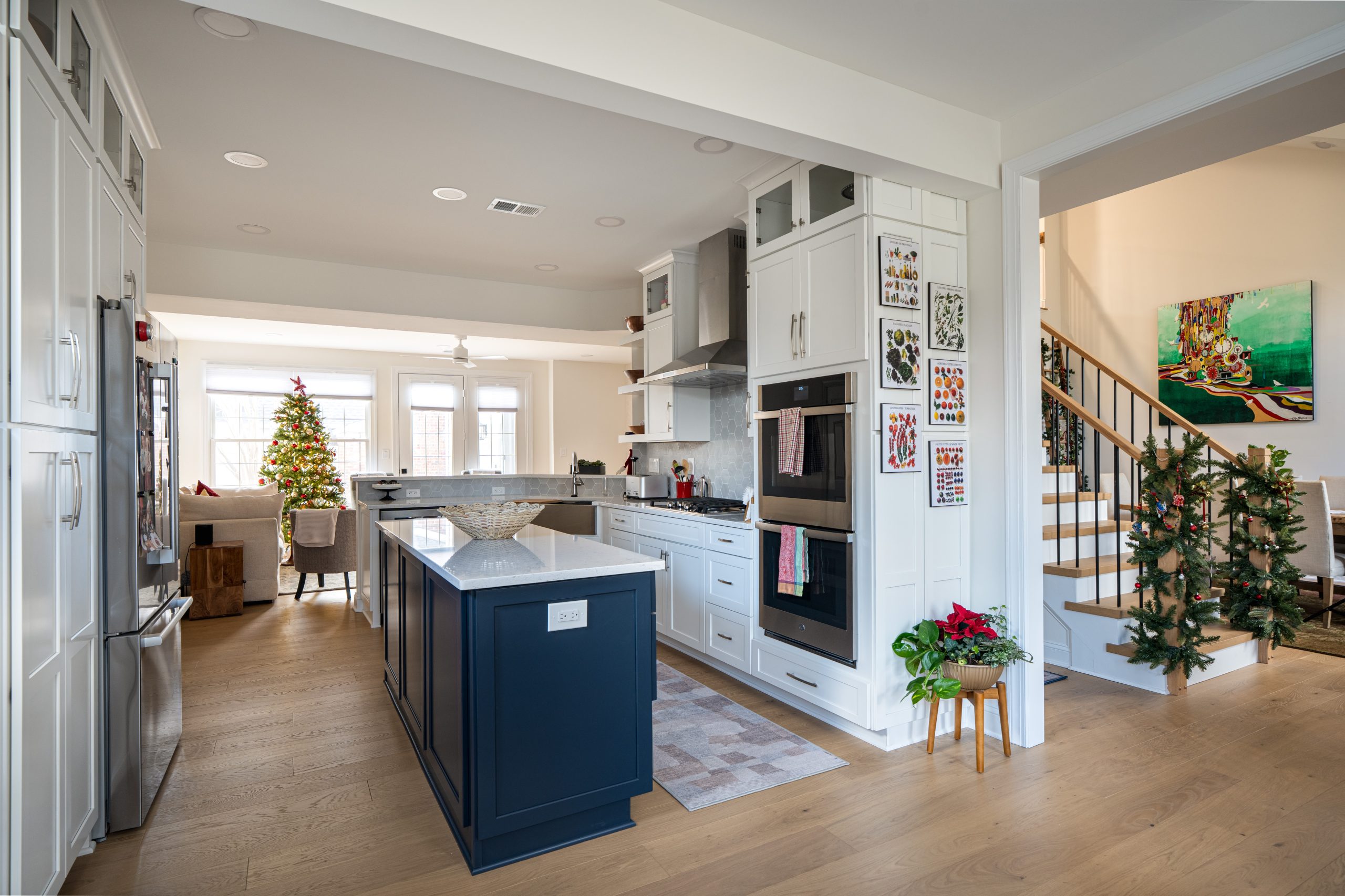
When browsing listings, buyers consider a few things. First, the new home must meet their needs and expectations. And more importantly, they are looking for fair pricing.
The harsh reality is that people are very careful when paying extra for something because of the high interest rates and living costs. They are interested in move-in-ready homes, and would stay away from anything flashy.
Higher Remodeling Costs 2026
The rising costs are impacting remodeling decisions in 2026. The material prices have drastically increased in the last couple of years.
Labor is also expensive, increasing the price of the overall remodeling project. And finding skilled contractors is more difficult than ever.
Knowing this, even a small remodel can cost a lot. And if the remodeling costs rise faster than the home prices, the margin is tighter.
However, this doesn’t have to mean that all remodels are a bad idea. You need to consider the feasibility and keep your expectations realistic.
Buyer Expectations in 2026
Today’s buyers enter the market prepared. They research neighbourhoods and do price comparisons to understand the value. With this, they can identify overpricing quickly. Plus, they have insight into the renovation costs.
Buyers know that simple upgrades such as updated lighting and fresh paint are common. So they expect it rather than value it.
The modern buyer knows that expensive and new doesn’t always mean better. They value flexibility and move-in-ready homes. The preference gravitates toward neutral aesthetic and practical upgrades, with simple layouts.
Usability comes before luxury. The buyers favor efficiency, durability, and good traffic flow. They don’t want to face daily inconveniences such as awkward outlet placement or poor layout.
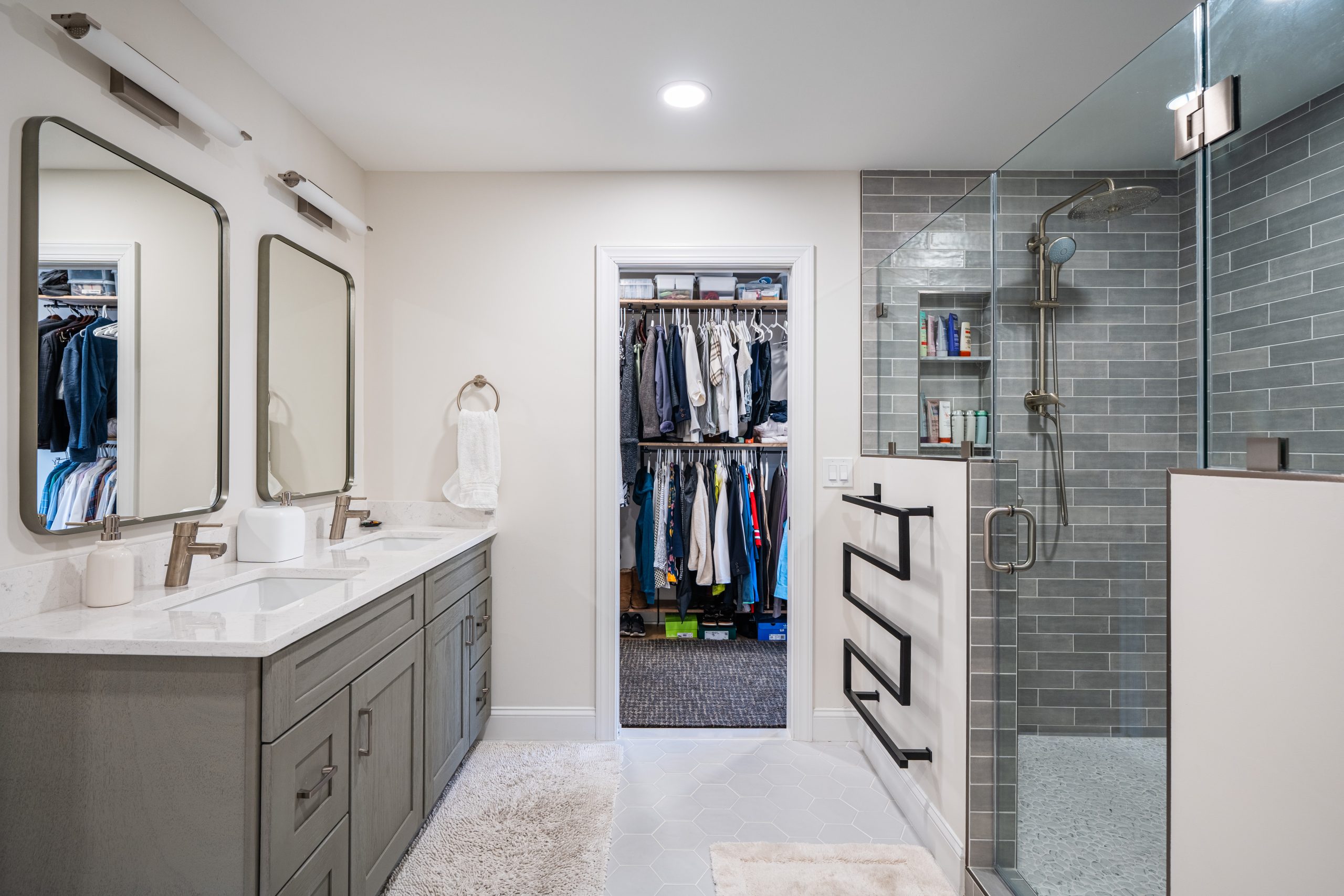
Remodeling for Yourself vs. Remodeling for Resale
Remodeling for yourself and for resale are two different things. The first one focuses on your needs and preferences, while the other favors market appeal.
Remodeling for Yourself
Remodeling for yourself reflects your preferences. It is all about your lifestyle and everyday routines, and not about future buyers.
The true value is measured in comfort, satisfaction, and convenience. Homeowners who are remodeling for themselves don’t care about numbers.
This remodeling is ideal when you plan long-term living in the home. For example, a person who loves to cook will add more workspace, improve the layout, add lighting, and storage. They are doing this to simplify the daily routines. The benefit is personal.
Another great example is adding extra storage. A large family can add custom closets, built-in shelving, and a pantry. Better organization and reduced clutter are the benefits that can be felt straightaway. But buyers might not want to pay extra for storage solutions that are designed according to someone else’s lifestyle.
The risk is high when personal taste takes over. Unconventional layouts, bold colors, patterns, and unique finishes do add character to the home. But they make it harder to sell.
Remodeling for Resale
Remodeling for resale is a different mindset. We shift from personal preferences to broader appeal. The remodeling should remove any doubts and increase the chances of getting an offer.
Remodeling that resolves visible problems is one of the cost-effective options. Awkward layout, damaged surfaces, outdated finishes, and poor lighting are some of the things that would deter potential buyers.
Updates that fix the visible issues are promising. Replacing the damaged countertops of a kitchen makes it look well-maintained. Improving lighting and replacing outdated cabinets bring a fresh look without overdoing it.
Things are the same for bathrooms. Potential buyers don’t want to overpay for high-end finishes. Instead, they would appreciate fixed leaks, updated fixtures, and filled cracks.
One of the biggest mistakes in renovating for resale is not following the market requirements. Installing high-end finishes in a modest home’s neighborhood won’t pay off.
The truth is that buyers do price comparison with other real estate in the neighborhood. The home price increased due to expensive upgrades, which makes potential buyers skip the listing. So it is important to keep your expectations realistic.
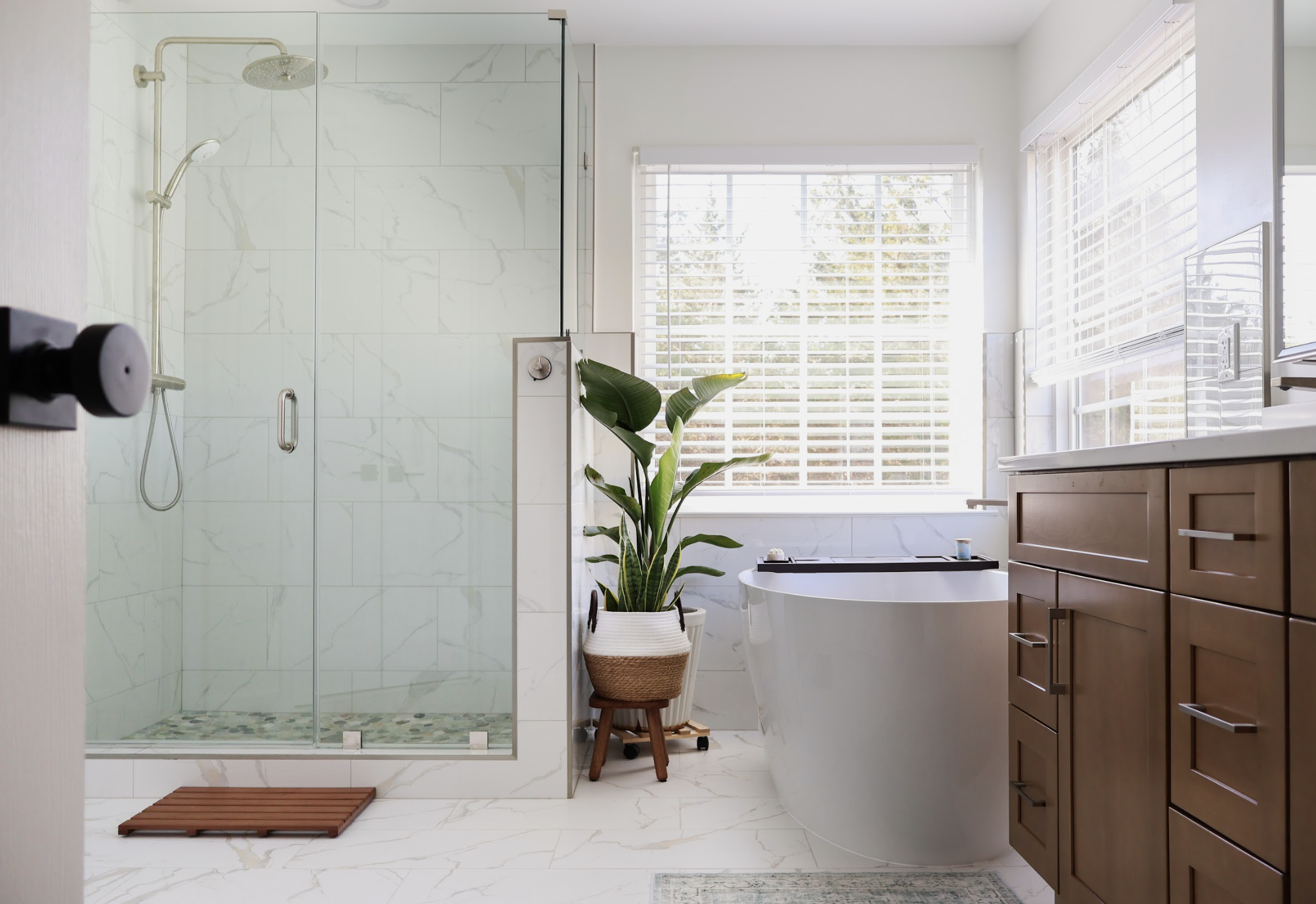
Verdict
Remodeling for yourself is worth it when you want to live better and not get a financial return. It is done for personal satisfaction, and there are no measurable results.
On the other hand, remodeling for resale focuses on market appeal. It helps position the home on the real estate market and makes it more competitive.
When Remodeling Increases Value in 2026?
Remodeling that focuses on improvement rather than luxury makes an impact in 2026. Fixing dysfunctional, worn, and outdated spaces pays off.
Here are some examples:
- Adding basic storage
- Updating fixtures
- Landscaping
- Fixing the roof and foundation
- Replace worn surfaces
- Energy efficiency
Remodeling increases the home value when your home isn’t competitive on the market. If it lags behind other listings, this means it is time for a change. Potential buyers compare the listings side by side. And a few modest updates can position your home higher.
In addition, you should address some critical repairs first. Major issues like foundation issues or roof problems can stop sales. Make sure to address them before the aesthetic issues.
When Remodeling Does Not Add Value
One of the most common mistakes is over-upgrading. Remodeling beyond the neighborhood standard is a waste of money.
High-end finishes in a modest neighbourhood won’t increase the resale price. In reality, potential buyers won’t pay premium prices in non-luxury areas, so they avoid high-end appliances and smart features.
Bold colors and finishes also deter potential buyers. They prefer neutral spaces where they can envision their life.
Custom layouts reduce flexibility, so they should be avoided. What works for one family might not work for another.
And most importantly, always focus on fundamentals first rather than cosmetic issues. Roof leaks or foundation issues deter buyers.
Final Take
Remodeling is all about making informed decisions in 2026. It can help enhance the quality of life or make your home more competitive on the real estate market.
Make sure to talk to your contractor about your goals. They are aware of the real estate trends and can help you make a feasible decision. Contact us now if you need help with your home remodeling!